top of page
.png)
.png)

about this product
The Ruspa 633 table lamp, designed in 1968 by Gae Aulenti for Martinelli Luce, is a striking example of late-1960s Italian experimental design. Its name, Ruspa meaning “bulldozer” in Italian, refers to the lamp’s articulated structure, which resembles the mechanical arms of construction machinery. The design features a cylindrical base from which extend adjustable arms supporting two rotating aluminum reflectors, allowing the light to be directed with great flexibility. With its bold geometry, industrial character, and bright lacquered finishes, the lamp embodies the optimistic technological aesthetic of the Space Age era while remaining highly functional as a task light. Over time, the Ruspa has become an iconic piece of collectible lighting design, admired for its sculptural presence and playful mechanical movement as much as for its illumination.


about the designer

Gae Aulenti
Gae Aulenti was an Italian architect and designer whose work played a significant role in shaping postwar Italian design and architecture. Emerging in the 1950s within the vibrant cultural landscape of Milan, she developed a multidisciplinary practice that moved fluidly between architecture, interior design, furniture, and lighting. Aulenti believed in the expressive potential of objects and spaces, often blending historical references with modern materials to create designs that felt both timeless and grounded in their environment. Her work reflects a strong architectural sensibility, where form, structure, and atmosphere are carefully balanced to produce spaces and objects with lasting presence. Throughout her career, she collaborated with major Italian design manufacturers and created several iconic pieces, most famously the Pipistrello lamp for Martinelli Luce in 1965, a design celebrated for its sculptural base and distinctive batwing-shaped diffuser. Beyond product design, Aulenti became internationally recognized for her architectural and exhibition projects, including the transformation of the former Gare d’Orsay railway station into the Musée d’Orsay in Paris. Across furniture, lighting, and architecture, her work combines rational modernism with subtle monumentality, establishing her as one of the most influential figures in twentieth-century Italian design.
you might also like

Albanella Table Lamp
Ermanno Lampa and Sergio Brazzoli
Harvey Guzzini
Premium

Plaster Statue Apollo
HK Living
HK Living
Premium
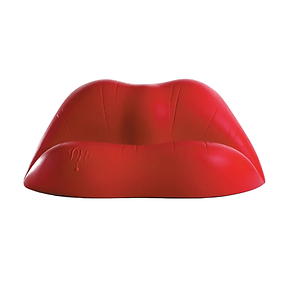
Dalilips
Salvador Dalí
BD Barcelona
Coming Soon

Curvy Sideboard
Gustaf Westman
Gustaf Westman
Premium
bottom of page